

The Psychology of Casino Luck
The allure of casino luck is deeply intertwined with human psychology. Many players approach games of chance with a belief in fortune, fate, or a “hot streak.” This mindset can significantly influence their betting decisions and overall enjoyment of the casino experience. Superstitions, lucky charms, and rituals are common manifestations of this belief, as players seek to harness unseen forces to improve their outcomes, and some may even search for the best pokies.
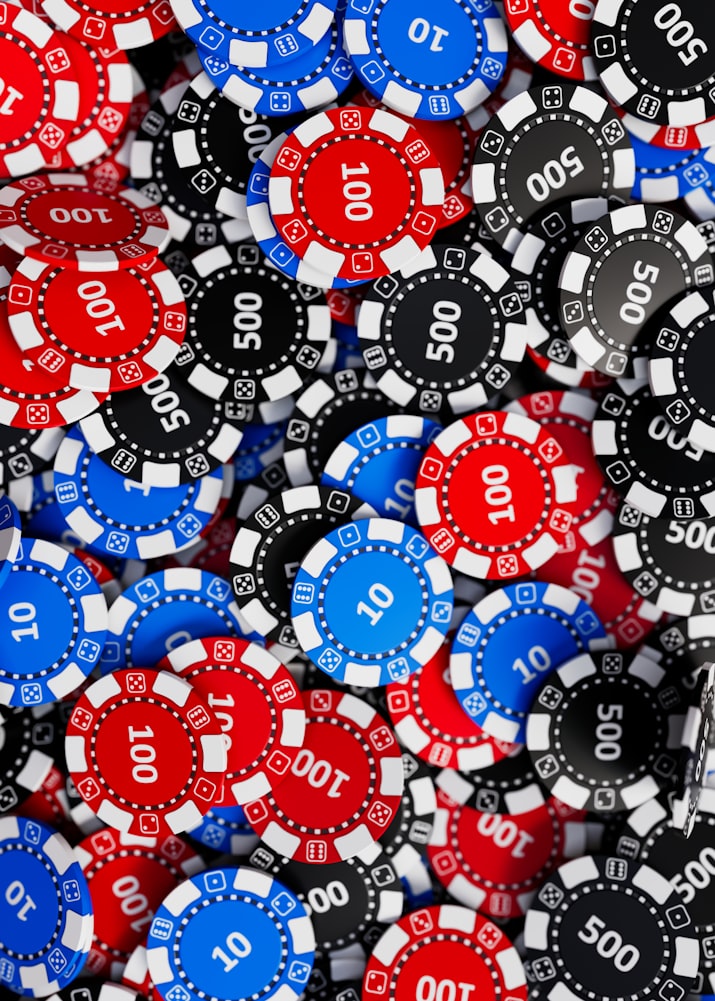
This psychological reliance on luck can, however, lead to irrational decision-making. When players feel “lucky,” they might be more inclined to bet larger amounts or continue playing even when their bankroll is dwindling, driven by the hope that luck will eventually turn in their favor. This emotional aspect of gambling is a powerful driver, often overshadowing logical analysis of probabilities.
Dispelling Myths Around Casino Fortunes
The concept of “luck” in a casino setting is largely a myth perpetuated by anecdotal evidence and a misunderstanding of probability. Each spin of a roulette wheel, roll of the dice, or shuffle of a deck of cards is an independent event. Past outcomes have no bearing on future results. Casinos are designed with a mathematical edge, ensuring that over the long term, the house will always profit.
Believing in a personal lucky streak or the idea that a particular machine is “due” to pay out is a cognitive bias. Gambler’s fallacy, for instance, is the mistaken belief that if something happens more frequently than normal during a given period, it will happen less frequently in the future, or that if something happens less frequently than normal during a given period, it will happen more frequently in the future. This is particularly relevant in games of chance.
Strategic Approaches to Gambling
While luck is unpredictable, tactical gambling recommendations focus on strategies that can mitigate losses and, in some specific instances, potentially increase winning chances through skilled play. Games like blackjack and poker offer opportunities for strategic decision-making. In blackjack, for example, players can use basic strategy charts based on mathematical probabilities to determine the optimal way to play their hand, significantly reducing the house edge.
In poker, skill in reading opponents, understanding betting patterns, and managing one’s own resources is paramount. These are not games of pure chance; they involve elements of psychology, deception, and strategic betting. Even in games with a significant random component, like craps, understanding the various betting options and their associated probabilities can lead to more informed choices.
The Role of Bankroll Management
A cornerstone of any tactical approach to gambling is effective bankroll management. This involves setting a strict budget for gambling sessions and adhering to it, regardless of wins or losses. It means deciding in advance how much money you are willing to spend and then stopping once that limit is reached. This prevents chasing losses and protects your overall financial well-being.
Furthermore, smart bankroll management involves determining appropriate bet sizes relative to your total gambling fund. For instance, betting a small percentage of your bankroll on each hand or spin can help extend your playing time and provide more opportunities to experience wins, while significantly reducing the risk of rapid depletion. This disciplined approach is far more effective than relying on a nebulous concept of luck.

Australia on the Map and Its Contribution to Understanding
The “Australia on the Map” project offers a unique perspective, albeit on a different domain. This initiative, likely focused on historical mapping and geographical exploration of the continent, can be seen metaphorically as a form of “strategy” in understanding a vast and complex entity. Just as tactical gambling involves understanding the rules and landscape of the game, “Australia on the Map” aims to meticulously chart and comprehend Australia’s physical and historical geography.
This project encourages a systematic and informed approach to discovery and knowledge. By organizing and presenting geographical data, it allows for a deeper understanding of the continent’s development, its diverse regions, and the historical narratives embedded within its landscape. This mirrors the principle in gambling where understanding the game’s mechanics and history (like card counting in blackjack) can offer an advantage, or at least a more informed experience, far removed from mere superstitious belief.