

The Thrill of Risk: Understanding High-Stakes Gambling
High-stakes gambling in casinos is not merely a financial venture; it is a potent blend of adrenaline, emotion, and psychology. Gamblers are often drawn to high-stakes tables due to the excitement and the allure of substantial winnings. This excitement triggers the brain’s reward system, releasing dopamine and creating a sense of euphoria that can be addictive. The risk involved heightens this thrill, as players are often faced with the possibility of significant losses or life-changing wins. In Florida, the growing popularity of online sports betting florida adds another layer to this dynamic.
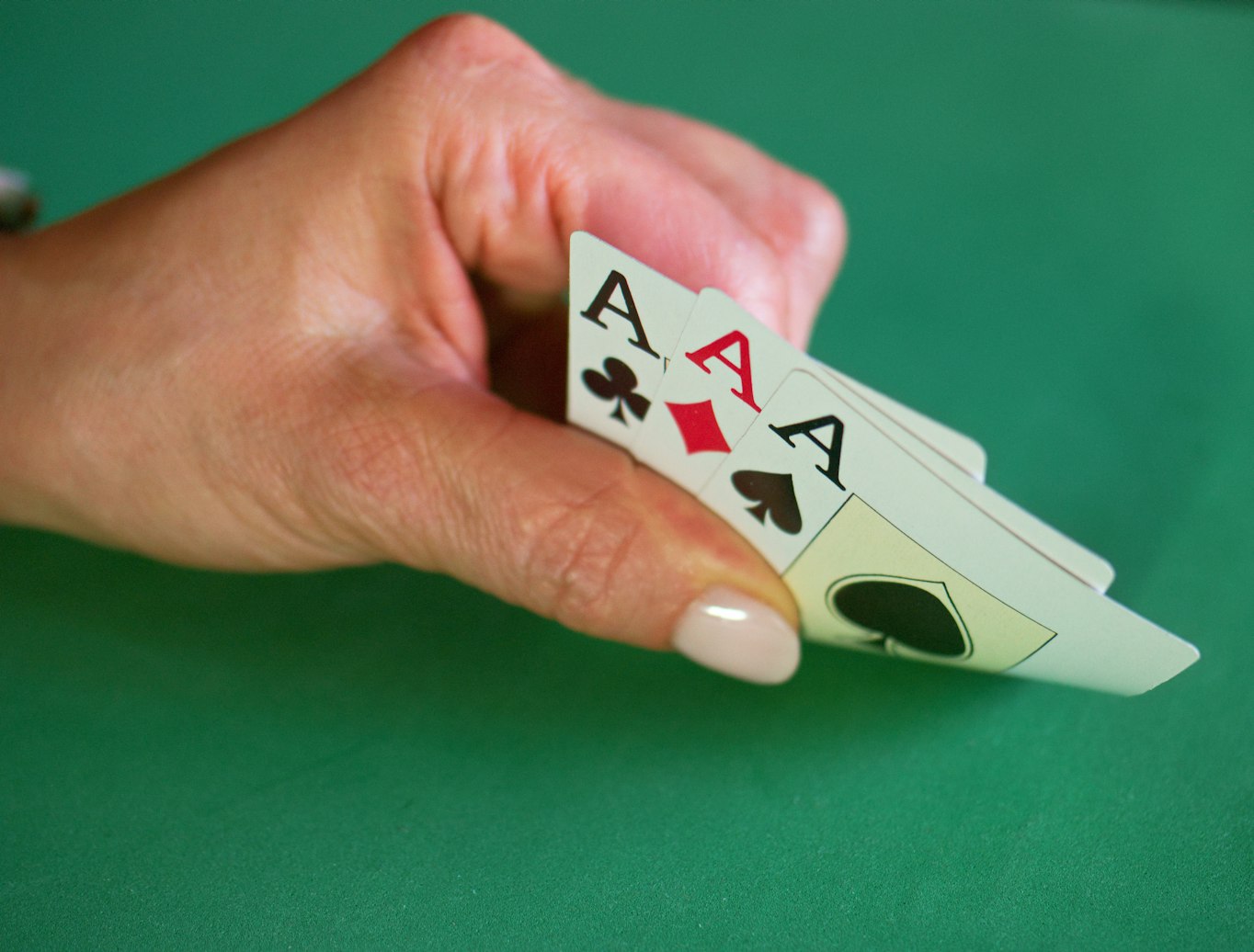
This psychological engagement is further compounded by the mysterious nature of chance and luck. High-stakes gamblers tend to feel a greater sense of control over their outcomes, leading to a phenomenon known as the illusion of control. This cognitive bias encourages them to take risks, as they believe they can influence the outcome despite the inherent randomness of the games.
The Role of Environment in Casino Psychology
Casinos are meticulously designed environments that enhance the gambling experience and capitalize on psychological principles. From the moment a player walks through the doors, they are enveloped in an atmosphere that stimulates the senses—bright lights, sounds of coins clinking, and the scent of free drinks create an engaging backdrop. This sensory overload can lead to a heightened emotional state, often causing players to gamble more than they initially intended.
Moreover, the layout of casinos is strategically planned to keep players engaged for longer periods. With no clocks and limited windows, time seems to fade away, allowing gamblers to lose track of how long they’ve been playing. This design encourages an immersive experience where the thrill of the game overshadows the reality of time and money spent.
Emotional Impacts of Winning and Losing
Winning at high-stakes gambling can evoke powerful emotions, often resulting in a psychological high that reinforces the behavior. The satisfaction of a big win can lead to chasing further thrills, as players seek to replicate that initial rush. However, the psychological effects of losing can be equally profound. Significant losses can result in feelings of despair, anxiety, and compulsive behavior as gamblers might try to recover their losses through additional bets.
This emotional rollercoaster is a critical component of the gambling experience. The highs of winning can overshadow the lows of losing, leading to a cycle of gambling that is hard to break. Understanding these emotional impacts can help individuals recognize the risks associated with high-stakes gambling and the psychological traps they may fall into.
The Influence of Social Factors on Gambling Behavior
Social dynamics play a critical role in the psychology of high-stakes gambling. Gamblers often feed off the energy of those around them, creating a social atmosphere that can amplify both success and failure. The presence of peers can encourage individuals to take more risks, as they seek acceptance and validation from their fellow gamblers. This social reinforcement can lead to impulsive decisions that might not occur in isolation.
Furthermore, the emergence of online gambling platforms has expanded the social aspects of gambling. Players can now engage with others globally, sharing experiences and strategies, and this connectivity can amplify the appeal of high-stakes gambling as they feel part of a larger community. However, this social aspect can also lead to unhealthy competition and increased pressure to gamble more.
Discover More About High-Stakes Gambling
For those interested in delving deeper into the world of high-stakes gambling, understanding the psychological factors at play is crucial. Knowledge of these principles can empower individuals to make informed decisions, whether they are seasoned gamblers or newcomers exploring the excitement of casinos. By recognizing the influence of environment, emotions, and social factors, players can better navigate their gambling experiences.
As we continue to explore the complex interplay of psychology and high-stakes gambling, resources and guides can provide valuable insight. Whether you are looking to enhance your strategy or merely understand the thrill of the game, gaining a grasp on these psychological dynamics can significantly enrich your casino experience.